
Empowering Catechists for Holistic Change in Tororo
May 15, 2026 — Spiritual ministry and economic empowerment are often treated as separate pursuits but in Iyolwa, they came together in a powerful and practical way.
From 11th to 15th May, St. Francis de Sales Catholic Parish in Tororo District hosted a transformative training for catechists and youth leaders, bringing together religious faith and livelihood skills. Organized by Restless Communities in partnership with Organic Impact Ltd and the parish, the training reflected a shared commitment to strengthening catechists not only in their spiritual mission, but also in their everyday wellbeing.
The first four days of the training, facilitated by Restless Communities, focused on holistic formation. It equipped participants with deeper self-awareness, grounding them in Gospel values, and helping them navigate social and personal challenges such as the responsible use of time, social pressures, domestic violence, and health-related issues.
This vision was articulated by Mr. Jude Okongo, co-founder of Restless Communities, who emphasized the need to address both spiritual and material realities in the lives of catechists:
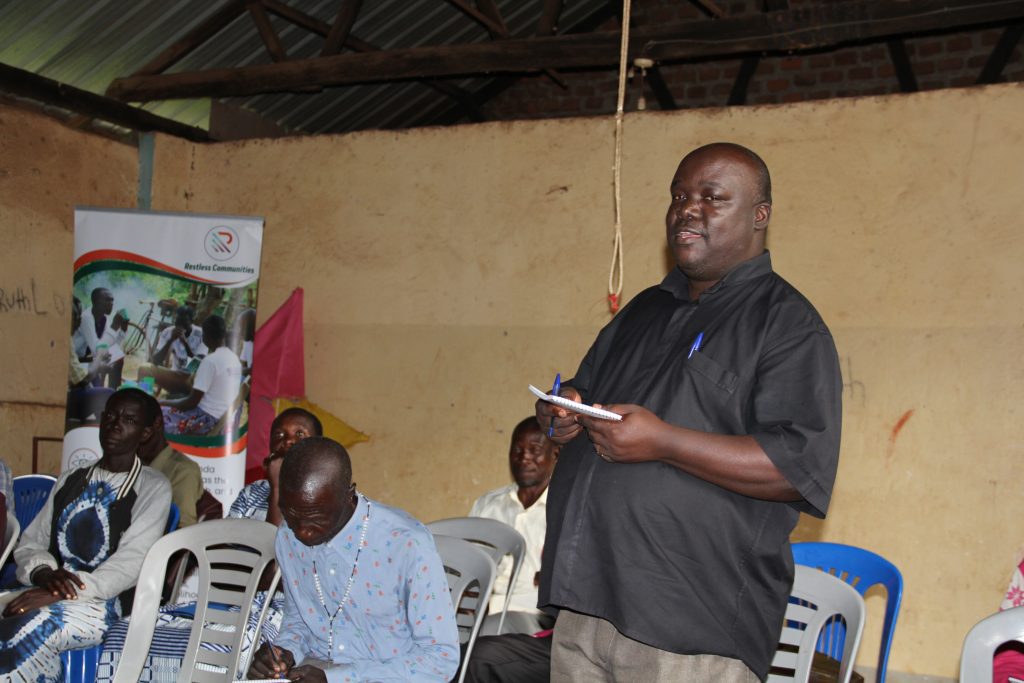
“I noticed that most catechists were struggling with low income. I wanted to find a way to help them balance their spiritual work with their physical needs, so they could serve their communities more effectively and live with dignity. I am grateful that the parish priest welcomed this idea and supported the training.”
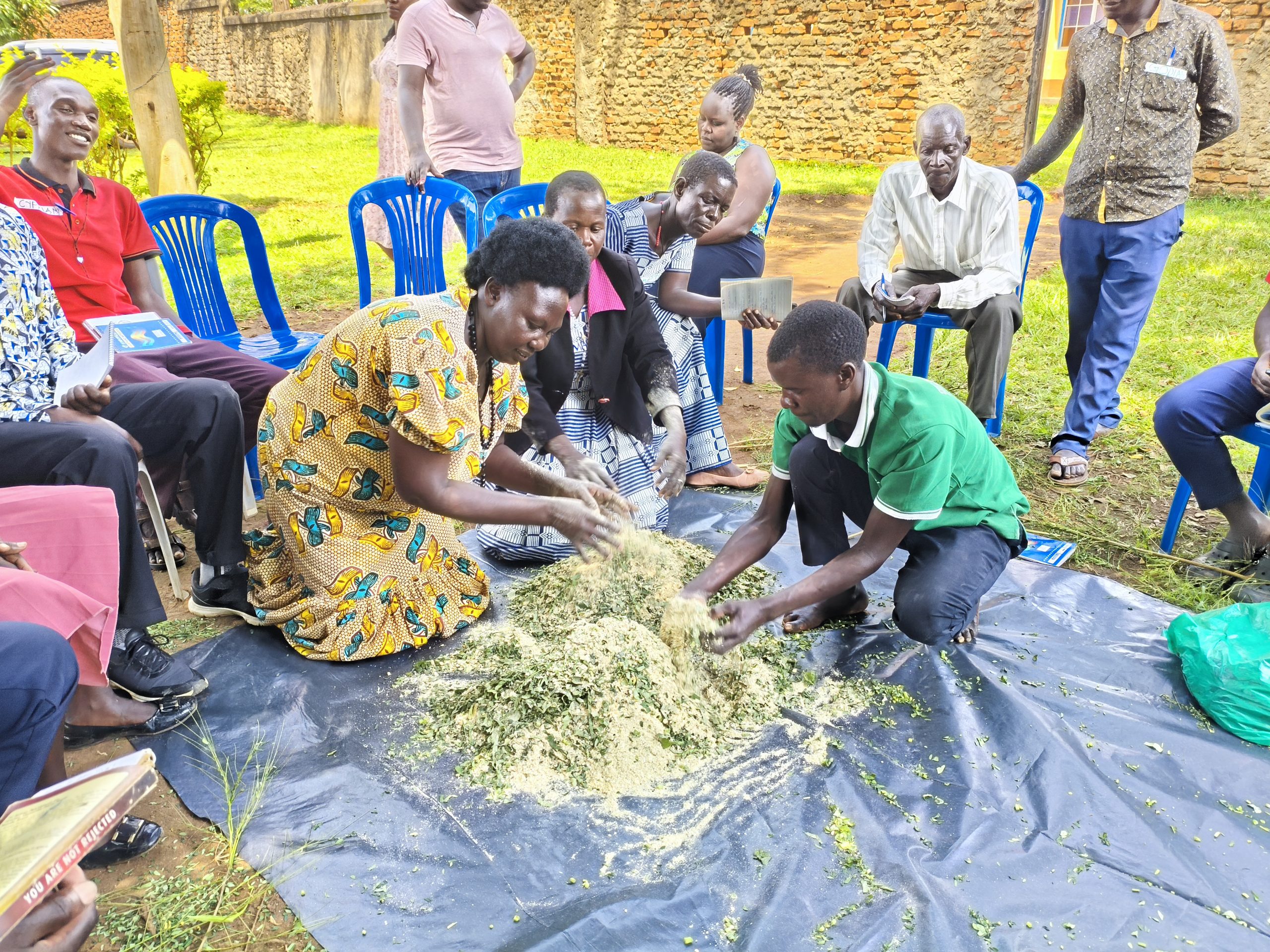
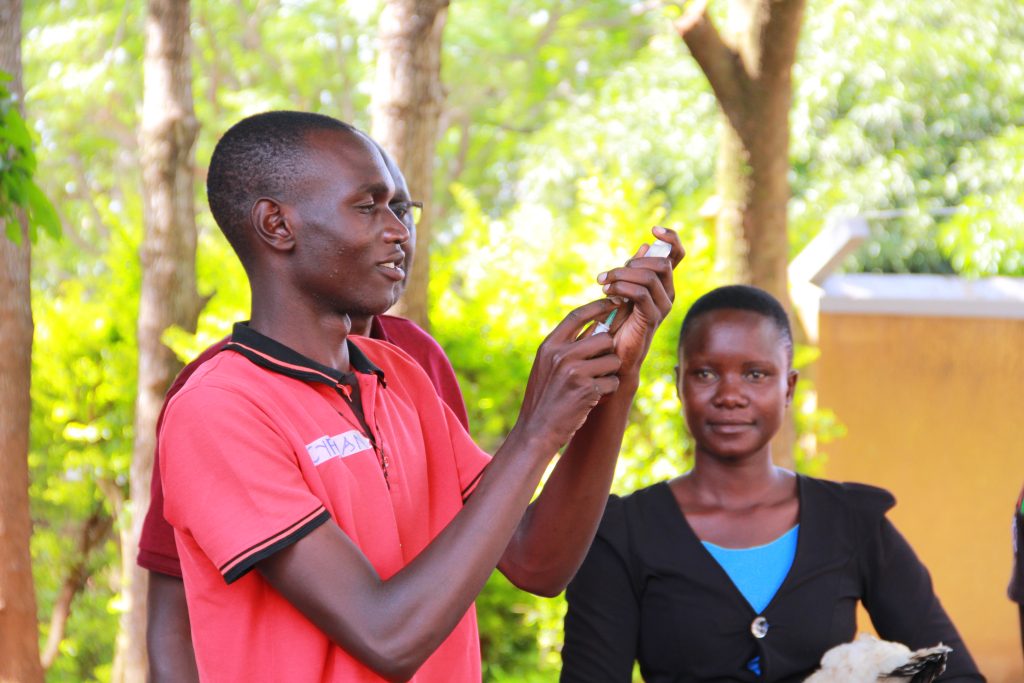
Organic Impact led the final day of the training, shifting the focus to practical economic empowerment through a session titled “Raising local chicken as a business.” Delivered by Dr. Charles Wendo, one of the organization’s founders, the session challenged participants to rethink how they use indigenous (local) poultry to transform their lives.
Across rural parts of eastern Uganda, nearly every family keeps local chicken, yet they don’t take it seriously as a business. Birds are left to scavenge without proper feeding, housing, or healthcare, resulting in extremely high mortality rates. Organic Impact’s session directly addressed this gap, demonstrating how simple, practical interventions can transform traditional poultry keeping into a viable business opportunity.
Participants were shown that with as few as five hens and one cock, they could generate significant annual income if they adopt a business approach.
One local hen can produce over 40 chicks a year in 3–4 clutches. With effective, low-cost housing, supplemental feeding, and disease prevention, 32 of them (about 80 percent) or more can survive to maturity. At a conservative price of UGX 30,000 per adult bird, this means a single hen can generate a gross income of UGX 960,000 per year. For someone with five hens, this translates to an annual income of UGX 4,800,000.
In contrast, in most villages, only about 3 chicks out of 10 survive to maturity. Compared to what could be earned if all survived to maturity, this represents a loss of UGX 210,000 per hen per clutch. Since most hens hatch 3–4 times a year, this loss amounts to a loss of UGX 630,000 to UGX 840,000 per hen per year.
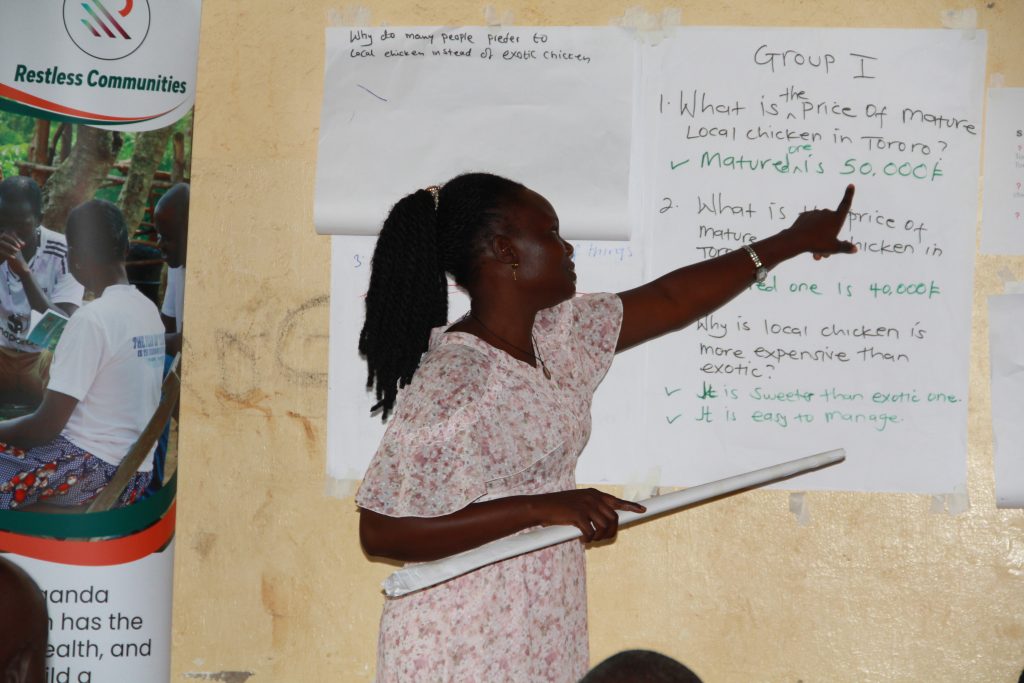
However, with good care, survival can be increased to 7–8 chicks out of 10 per clutch. This means that simply preventing avoidable chicken mortality — and gaining an additional UGX 630,000 to UGX 840,000 per hen per year — can dramatically transform household incomes. It is a powerful pathway out of rural poverty, yet it is money that farmers are currently losing through preventable chicken deaths.
To further support implementation of what the catechists and youth leaders learnt, Restless Communities committed to provide 15 month-old chicks to selected catechists and youth leaders to enable them start. However, participants were asked to first construct proper poultry houses, as demonstrated during the training, to ensure the birds are well protected and managed from the outset.
The training identified high mortality – caused by disease, predators, malnutrition, and poor housing – as the main barrier to profitability. The trainer practically demonstrated actionable solutions including immunisation, low-cost feeding strategies, housing, and improved management practices.
Reflecting on the potential of this approach, Dr Wendo emphasized the opportunity for transformation:
“Local chicken has enormous potential to boost the income of rural families in Tororo. With just a few hens and the right approach, anyone can turn poultry keeping into a profitable business.”
The session resonated strongly with participants, as it addressed a familiar reality while offering clear, achievable pathways for improvement. By focusing on locally appropriate solutions, the training ensured that the recommended practices are both practical and sustainable.
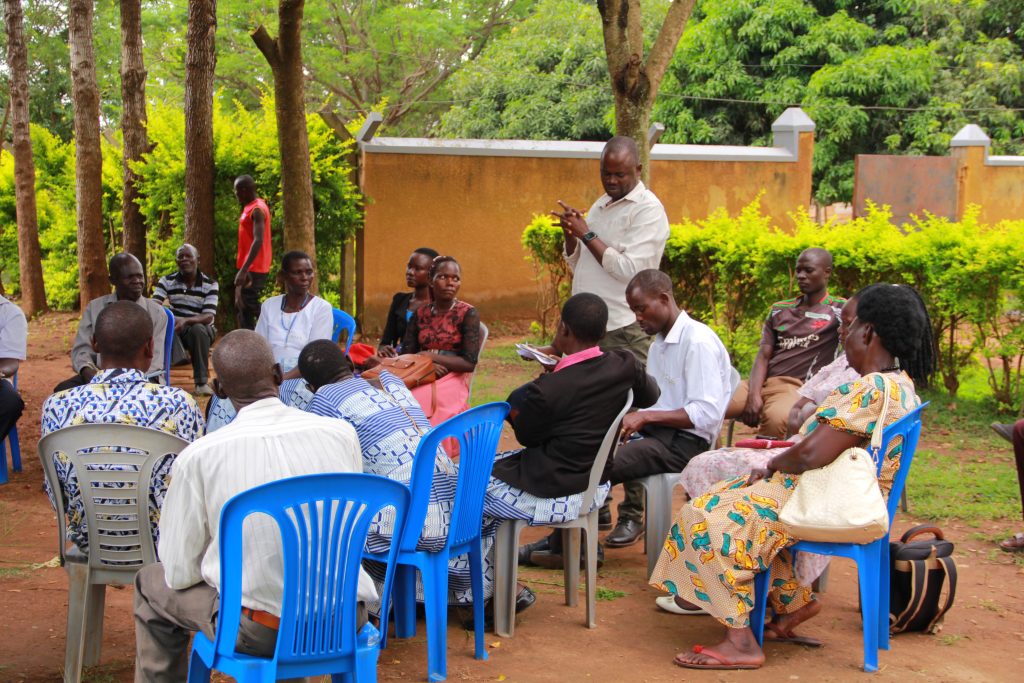
The importance of this integrated approach was also highlighted by the Parish Priest, Fr. Joseph Mabirizi, who encouraged participants to fully embrace the training:
“Please pay close attention and put into practice what you are going to earn here, because it is good not only for your own lives but also for the work of the Church,” he told participants.
His remarks underscored a key message of the training: that strengthening the economic wellbeing of catechists is essential for sustaining their ministry. When catechists are able to meet their basic needs, they are better positioned to serve their communities effectively and with dignity.
The Iyolwa training stands as a model for how faith-based formation and livelihood development can complement one another. By equipping catechists not only with spiritual and moral guidance but also with practical income-generating skills, Organic Impact and its partners are contributing to more resilient households and stronger communities.
As participants return to their parishes, the true impact of the training will depend on how they implement what they have learned. If applied well, these insights have the potential to significantly improve household incomes, reduce vulnerability, and ensure that those who dedicate themselves to serving others can also build stable and fulfilling lives for themselves.